SolutionsGalleries & collectors
Sale rooms where the floor and the remote buyers share one moment
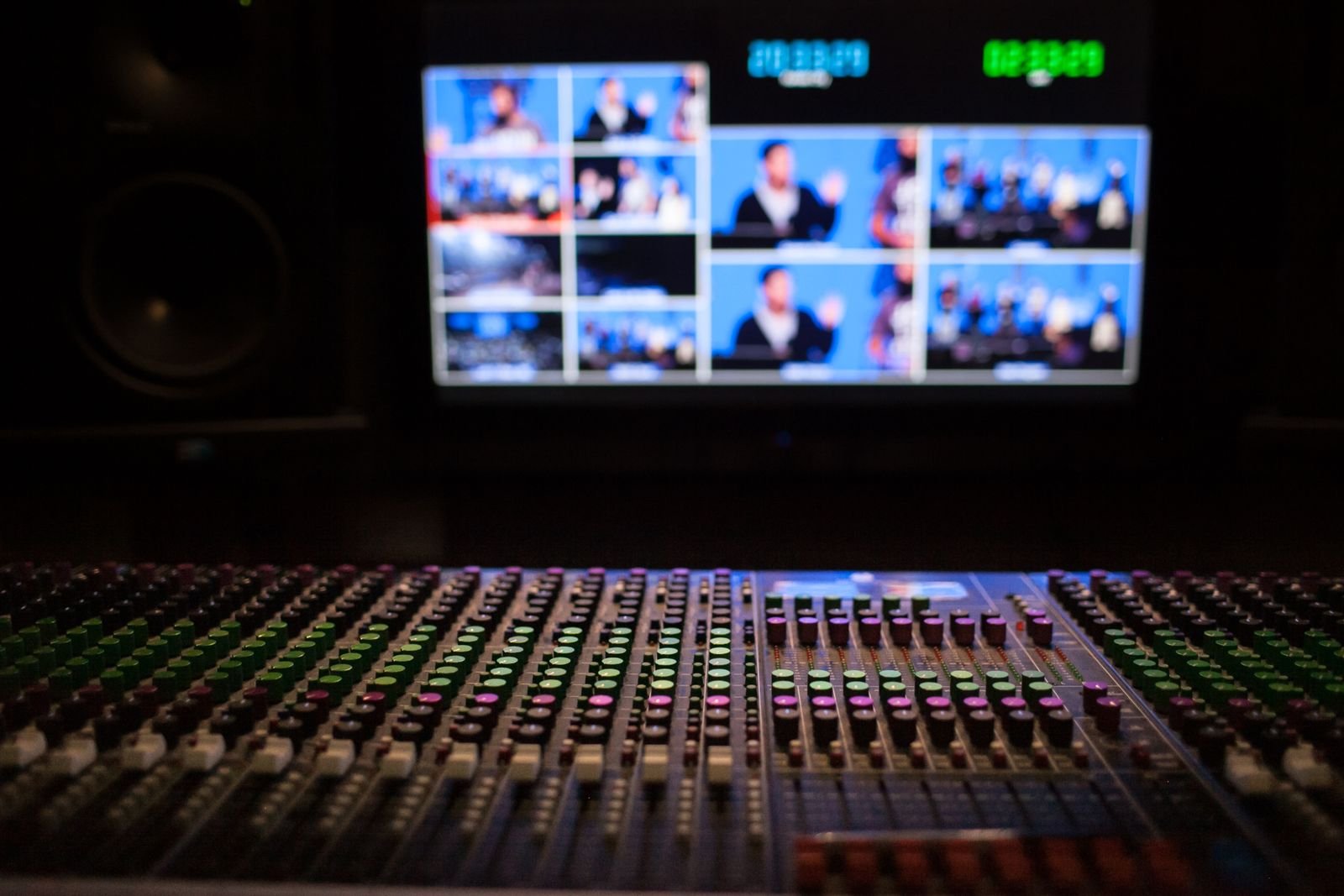
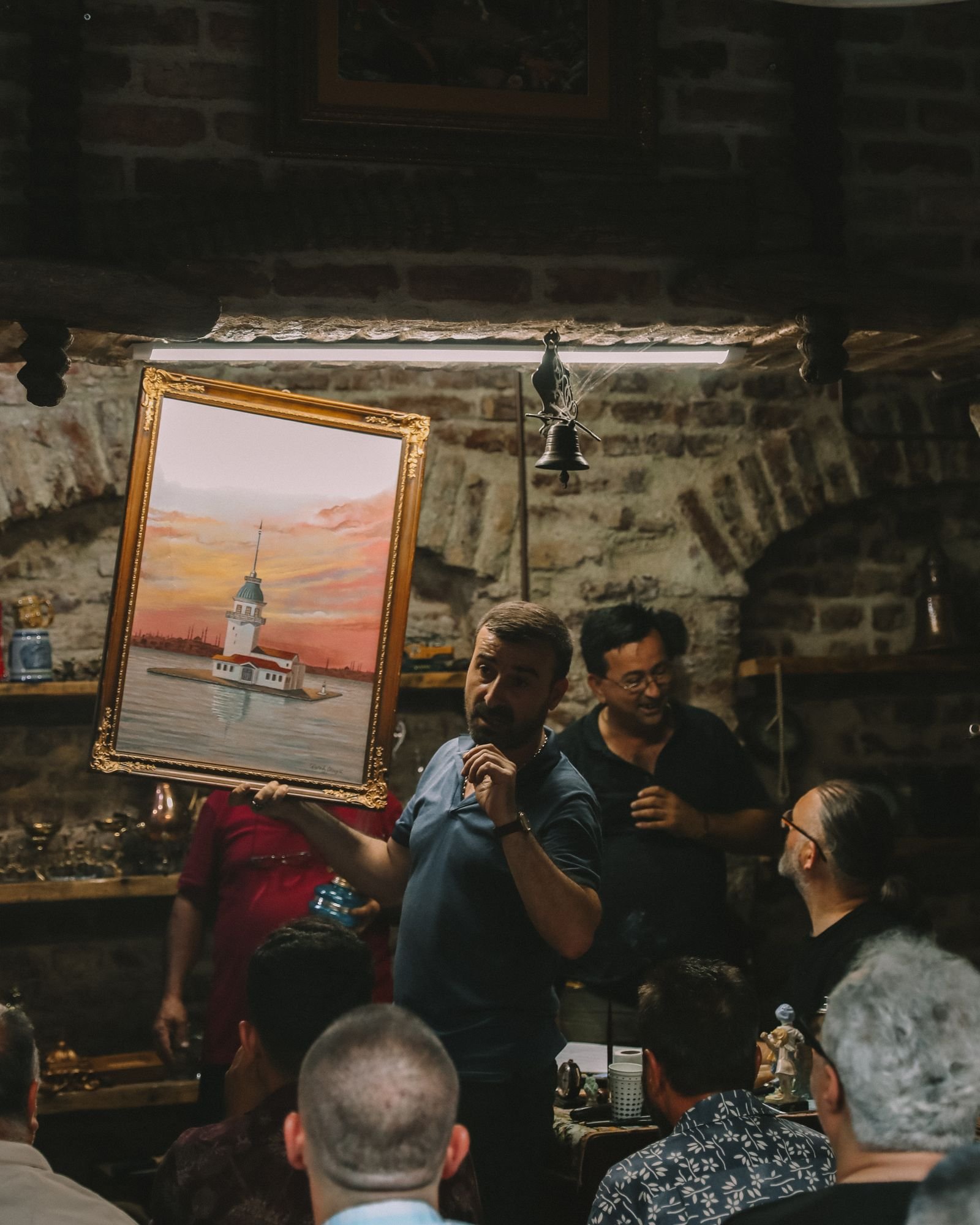
Watches, art, and small catalogs sold to a known list. Vasl carries the room and the object, records the sale, and leaves the bidding rules in your system.
Publish
Encoders, cameras, browsers and mobile apps open the session.
Vasl
One server you run transcodes, records, authorizes and fans the stream out.
Play
Interactive viewers stay on WebRTC. Broader audiences take HLS from the same publish.
Workflows
How a private sale uses the server
The room camera
People online see the specialist and the object without waiting on a delayed broadcast.
The lot on screen
When the object changes, your app can move a marker with the picture so the card and the video agree.
Floor and remote together
The screen in the room and the app at home play the same publish.
Invitation only
Playback tokens for the catalog holders. No open watch page.
A record of the sale
Keep the picture for disputes. The bid ledger stays in your sale software.
Phone bidding apps
Drop the player into the app you already shipped. Vasl does not replace the paddle or the invoice.
On this workload
How Vasl is tuned here
The picture should not trail the bid
Interactive playback is for the active room. If you also want a delayed public clip later, that can be a recording, not the live path.
- WebRTC for buyers in the sale
- Authenticated stream keys
- Stable on hotel and mobile networks
- HLS only if you deliberately want a wider, later audience
Your sale software stays in charge
Lots, bids, and invoices are not a media problem. Vasl opens the room, carries the picture, and tells you when the recording is done.
- REST and webhooks
- Recording for the file you keep
- Self-hosted if the catalog is sensitive
- SDKs for the bidder app
Why teams choose Vasl for Live Auctions
- Floor and remote on one picture
- Markers for lot changes
- A recording of the sale
- Bidding logic left in your system
Same server